

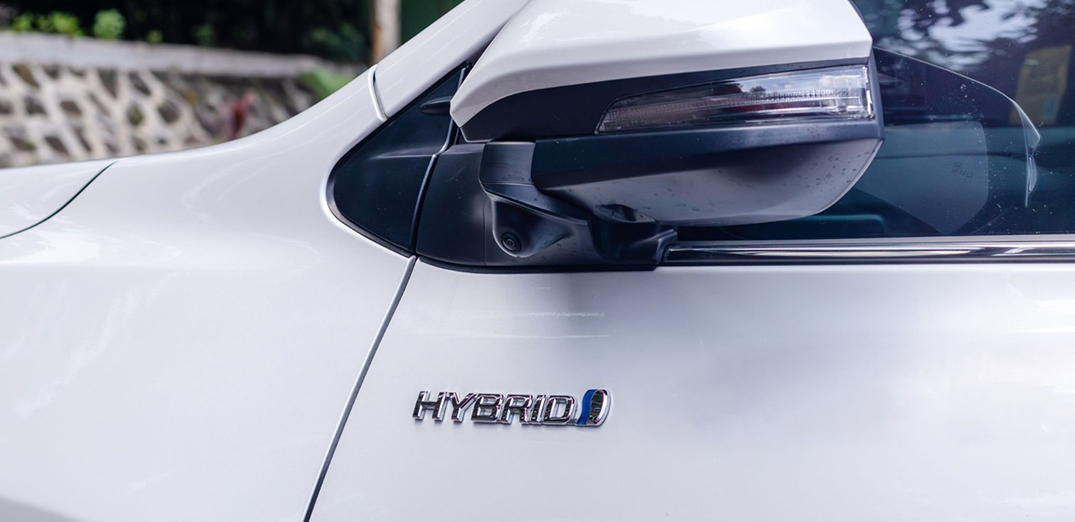
By offering two types of engines, this technology combines efficiency, reduced environmental impact, and an optimised driving experience, positioning itself as a concrete alternative for those looking to move towards more sustainable mobility.
In a context where the mobility transition progresses at different rates depending on each country's reality, conventional hybrid vehicles (HEVs) have established themselves as one of the most accessible and effective technologies to start reducing emissions without relying on external electric chargers.
How do conventional hybrid vehicles work?
An HEV combines an internal combustion engine with one or more electric motors that work in coordination to optimise energy use in every driving situation. Unlike plug-in hybrids (PHEVs), they do not require connection to an external charging source: their battery recharges automatically through regenerative braking and the operation of the combustion engine itself, without user intervention. Unlike mild hybrids (MHEVs), HEVs have higher-capacity and higher-voltage batteries that, under certain conditions, allow driving in 100% electric mode.
During driving, the system intelligently manages the use of both engines, prioritising the electric mode in low-speed situations, urban traffic, or frequent stops. This translates into lower fuel consumption, reduced CO₂ emissions, and a more efficient and quieter driving experience, especially in urban environments. Additionally, thanks to reduced brake wear and more balanced use of the combustion engine, HEVs often present more competitive maintenance costs over time.
Sustainable Mobility Study: Engines of Change
The results of the study “Engines of Change,” developed by the Center for the Future of Mobility of Inchcape in collaboration with Ipsos, support this perspective. The report reveals that 91% of Latin Americans associate personal mobility with freedom and autonomy, confirming the social role of the automobile in quality of life, access to work, and opportunities.
At the same time, although more than 70% express a positive perception of new energy vehicles, immediate adoption remains moderate, influenced by factors such as price, infrastructure, and level of knowledge.
The study also shows that less than 40% of consumers in Latin America claim to be very familiar with electric vehicles, reinforcing the relevance of technologies like conventional hybrids, which allow for gradual, accessible, and understandable progress towards cleaner mobility for users.
In this scenario, conventional hybrids enable progressive yet effective advancement towards more sustainable mobility, supporting consumers in the transition without creating friction.
“The transition to sustainable mobility is not built on a single solution. It requires options that work and meet the needs of different users. Conventional hybrid vehicles play a fundamental role because they reduce emissions and increase fuel efficiency without relying on additional infrastructure, while maintaining the freedom of mobility that many people deeply value,” says José Miguel Silva, Regional Director of New Energy Vehicles at Inchcape Americas.
At Inchcape, the focus is on offering a broad portfolio of solutions —from mild hybrids to fully electric vehicles— that respond to the diverse realities of markets and the needs of consumers. Because advancing towards more sustainable mobility is not just about technology: it is about people, context, and access, ensuring that mobility continues to be a driver of well-being, inclusion, and development for the region.